Introduction
In American history, Juneteenth is a strong emblem of freedom and strength. Juneteenth, which became an official federal holiday in 2021, honors June 19, 1865, the day when enslaved African Americans in Galveston, Texas, learned they were free, more than two years after the Emancipation Proclamation. The Juneteenth holiday is now more than just a day in history. It’s a cultural event where people may think about, celebrate, learn about, and fight for civil rights.
We’ll talk about the history of the Juneteenth celebration, how people celebrate it, its benefits and negatives in today’s world, and how things are changing that will affect its future in this article.
The story of the Juneteenth holiday
The Juneteenth celebration has its roots in a very important time in U.S. history. President Abraham Lincoln signed the Emancipation Proclamation on January 1, 1863. It said that those who were slaves in Confederate states would be free. The proclamation, on the other hand, didn’t have much of an effect in places that were still under Confederate control.
It wasn’t until June 19, 1865, when Union General Gordon Granger got to Galveston, Texas, that enforcement finally happened. He made the official announcement that “all slaves are free” with General Order No. 3. This announcement was a turning point that led to the celebration we now commemorate as Juneteenth.
After that, freed African Americans started celebrating June 19 every year, usually in churches, parks, or community centers. As time went on, these celebrations grew into bigger festivals with parades, music, and cultural acts. This kept the Juneteenth holiday alive.
How people celebrate and use the Juneteenth holiday today
There are several kinds of events that happen on Juneteenth. It has both historical and modern uses that show how people think today:
- Learning and remembering: Schools, colleges, and museums hold talks, discussions, and exhibits about African American history and civil rights.
- Festivals in the community: Cities all around the US have parades, concerts, cuisine festivals, and art fairs that show off Black culture and innovation.
- Advocacy and reflection: People often use the Juneteenth holiday to think about racial injustice and demand for changes to the system.
- Corporate observance: A lot of companies are now recognizing Juneteenth as a paid holiday or holding workshops for employees to encourage diversity, equity, and inclusion.
These events indicate that Juneteenth is both a celebration of freedom and a reminder of the long road to equality.
The Good and Bad Things About Juneteenth
People have generally liked the Juneteenth celebration, but like any national holiday, it has led to debates over what it means and how it affects people. Here’s a short glance at the main pros and cons:
Pros and Cons of the Juneteenth Holiday
While the Juneteenth holiday has been widely welcomed, like any national observance, it has sparked discussion over its impact and meaning. Here’s a quick look at its key benefits and potential drawbacks:
| Pros | Cons |
|---|---|
| Raises awareness about slavery and racial history | Risk of commercialization that could overshadow the holiday’s meaning |
| Provides a platform for education and dialogue | Unequal access to celebrations in some communities |
| Recognizes African American contributions to U.S. history | Some critics feel it may lead to symbolic rather than substantive change |
| Encourages cultural pride and unity | Confusion around how to properly observe the holiday |
Overall, the pros of the Juneteenth holiday largely center on its role in fostering dialogue, remembrance, and cultural pride, while the cons highlight concerns about commercialization and performative gestures.
How People Are Celebrating Juneteenth Right Now
The Juneteenth celebration has changed a lot in the last few years because of changes in culture, social movements, and more people caring about racial equality. Here are some important trends that are affecting how it is celebrated today:
1. Recognition by the federal government and wider use
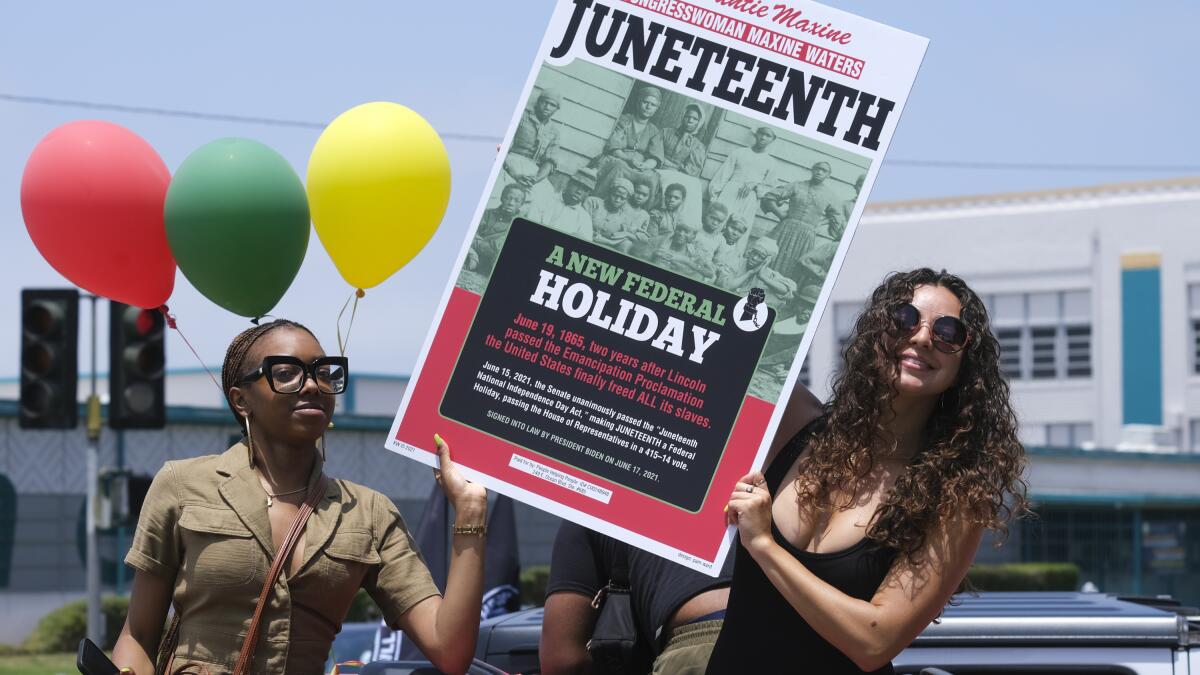
President Joe Biden signed a measure into law in June 2021 that made Juneteenth a nationwide holiday. This action raised awareness across the country and caused additional states and municipal governments to officially recognize the day.
2. Getting businesses involved
Many businesses, especially big ones, now give their employees a compensated day off on Juneteenth. In addition to that, corporations hold educational events, support community celebrations, and start programs that focus on diversity and inclusion.
3. Put your attention on learning
More and more schools and colleges are teaching about Juneteenth, Reconstruction, and systematic racism surrounding the event. Museums and cultural centers frequently put on special displays that focus on its past.
4. Art as a way to express yourself
Music, movies, and books are very important parts of modern Juneteenth celebrations. These events honor Black voices and creativity through live music, poetry readings, and movie screenings.
5. Celebrations that are digital or virtual
The COVID-19 epidemic made online events more popular. Even now, many towns offer live-streamed panels, virtual museum tours, and digital concerts, which makes the Juneteenth holiday more accessible to more people.
6. Link to activism
Many individuals use Juneteenth to call for changes that will make policing, housing, education, and health care more equal for everyone. This activity connects the fight for independence in the past with the fight for social justice now.
The Changing Significance of the Juneteenth Holiday
The Juneteenth holiday is special because it is both a time to celebrate and a time to think. It’s a day of celebration, music, and food for many people. For some, it’s a chance to honor their ancestors, face the past, and strive for change.
Its changing meaning shows how national holidays may keep the past alive while still dealing with problems that come up now. Juneteenth is a link between the past and the present as people talk about racial inequity.
In conclusion
The Juneteenth celebration is more than just a day in history. It reminds us of freedom that was delayed, won, and is still being fought for. Americans celebrate the difficulties of those who come before them by remembering this day and promising to make the future more welcoming.